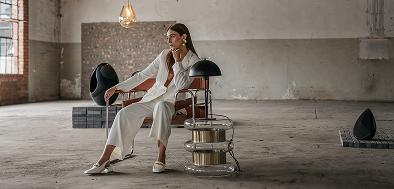
Sound as Part of Interior Design
Audio belongs in the design conversation from the outset. A speaker affects the way a room looks, feels and sounds, so its scale, position and finish deserve the same consideration as furniture and lighting.
For homeowners, architects and interior designers, a wireless speaker can simplify the integration of music into a space without requiring a separate amplifier. Power access, wireless coverage and acoustic placement still matter.
Pantheone brings these considerations together through sculptural sound objects handcrafted from high-density mineral composite. Explore our Designer Speakers and Decorative Speakers guides for more on form and finish.

Pantheone I: Sound for Open-Plan Living
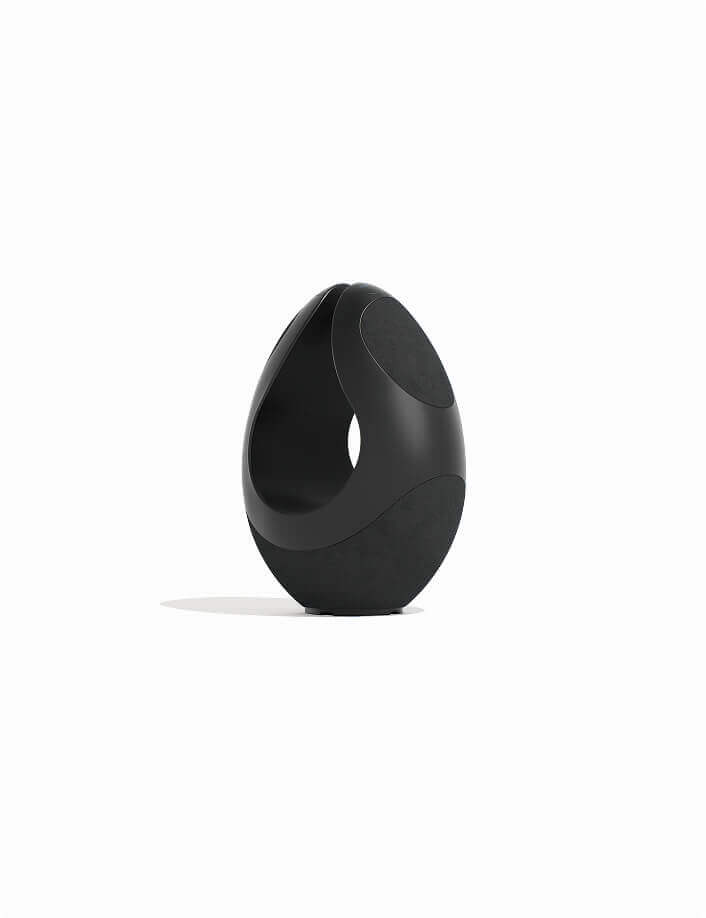
For generous living rooms and open-plan interiors, Pantheone I offers a freestanding sculptural form with 360° omnidirectional sound. Its presence can help define a listening area without the appearance of conventional audio equipment.
Consider its footprint alongside seating, circulation paths and architectural features. Allow space around the speaker, keep acoustic openings clear and plan a discreet route to mains power.
Choose Black for a defined visual contrast or White for a quieter relationship with light surfaces.

Obsidian: Flexible Sound for Intimate Spaces
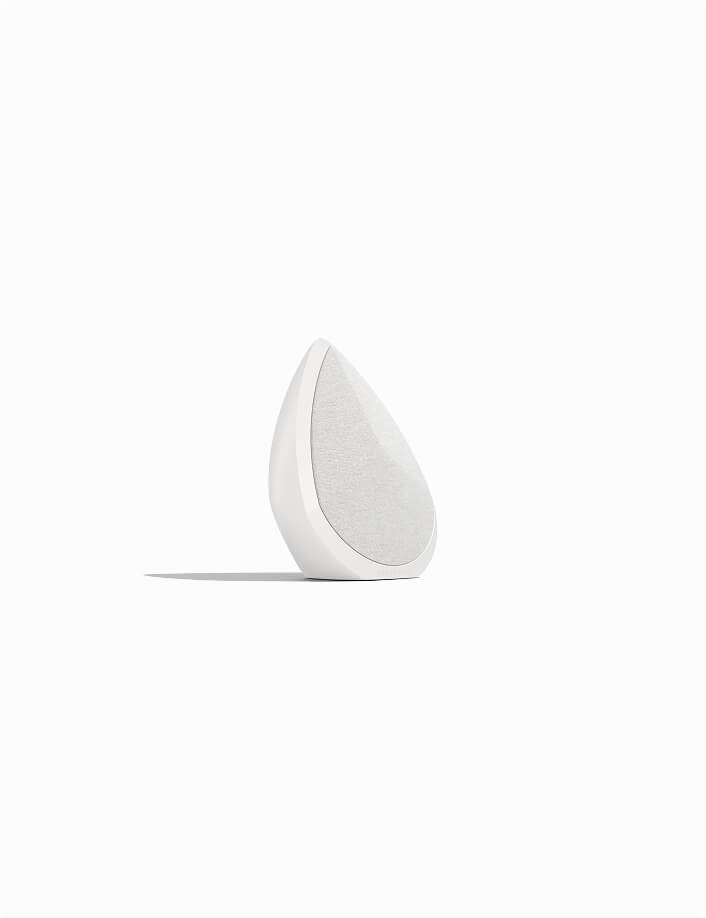
Obsidian suits bedrooms, studies, smaller living areas and spaces where a compact speaker is preferred. Its faceted form, inspired by volcanic glass, introduces a distinctive architectural detail.
Place it on a stable console or side table with sufficient clearance around its acoustic openings. Its rechargeable battery allows it to move between spaces without a permanent power connection during listening.
Available in Black, White and Sage, Obsidian can be selected to complement the material palette of a project.
Integrating Sound into an Interior
Spatial planning
Consider furniture layout, circulation and the primary listening area before choosing a speaker position. A freestanding object needs a different footprint from a compact speaker on a console.
Material and colour
Select the speaker finish alongside flooring, timber, stone, textiles and lighting. Pantheone’s high-density mineral composite offers a sculptural material character rather than a conventional equipment finish.
Acoustics and connectivity
Room dimensions, reflective surfaces and furnishings influence listening. Keep acoustic openings clear, test placement and plan power and Wi-Fi coverage before finalising the layout.
Choosing Speakers for Different Interior Spaces
Match the speaker to the scale, function and listening needs of each room, rather than choosing one arrangement for every space.
Living rooms and open-plan spaces
Use Pantheone I as a freestanding sound object near the main listening area. Allow circulation space and experiment with distance from walls and corners.
Bedrooms and personal spaces
Obsidian offers a compact option for a stable dresser or side table. Consider charging access and keep the speaker clear of loose fabrics.
Studies and home offices
Place Obsidian where it does not obstruct the working surface or circulation. Consider listening distance, stable support and access to power.
Connected interiors
For projects spanning several rooms, plan wireless coverage and power access early. Explore multiroom audio for connected listening across the home.

FOR DESIGN PROFESSIONALS
Specify Pantheone in Your Next Project
Pantheone works with interior designers and architects seeking sound objects that complement the architecture of a space. Consider product dimensions, finishes, power access and listening requirements during concept development and furniture planning.
Our trade programme offers CAD and BIM files on request to help incorporate Pantheone I and Obsidian into drawings and design presentations. Explore the programme for more information.
Interior Design Speakers: Frequently Asked Questions
How do I choose speakers for an interior design project?
Start with room size, listening requirements, furniture layout and the intended visual role of the speaker. Consider power and wireless coverage alongside the finish and dimensions.
Which wireless speaker suits an open-plan living room?
Pantheone I is designed for a more permanent listening space with 360° omnidirectional sound. Its freestanding form suits larger interiors, subject to room acoustics and placement.
Where should a speaker be placed in a living room?
Start near the main listening area, keep acoustic openings clear and avoid obstructing circulation. Test different distances from walls and corners before settling on a position.
Which Pantheone speaker suits a smaller room?
Obsidian offers a compact, portable alternative for bedrooms, studies and smaller living spaces. Compare Pantheone I and Obsidian for dimensions and listening options.
Do interior designers and architects have access to specification resources?
Yes. Pantheone’s trade programme offers CAD and BIM files on request for design professionals.
Can I plan wireless audio across several rooms?
Yes. Pantheone speakers can be used individually or in a compatible multiroom setup. Plan network coverage and power access in each room and explore our multiroom audio guide.
Two Sound Objects for Considered Interiors
Pantheone I
A freestanding sculptural wireless speaker for larger living spaces. Handcrafted from high-density mineral composite, with 360° omnidirectional sound.
Obsidian
A compact, portable wireless speaker for flexible placement. Volcanic-inspired form and up to 15 hours of battery life.
Sound that belongs in the architecture of everyday living.


Obsidian - White
- Regular price
- $1,560
- Regular price
-
$1,95020% OFF - Sale price
- $1,560
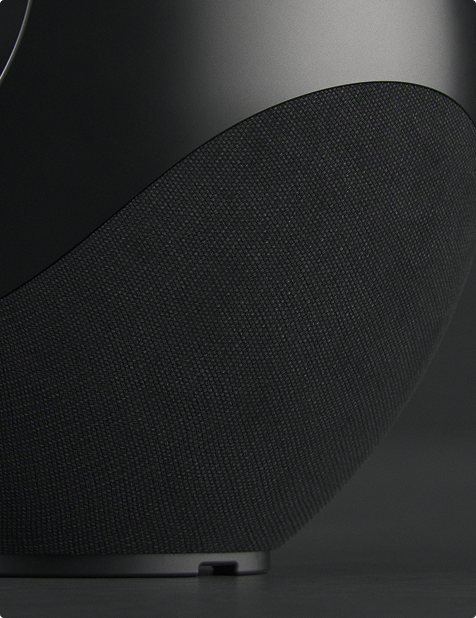
Pantheone I - Black
- Regular price
- $3,358
- Regular price
-
$3,95015% OFF - Sale price
- $3,358


Obsidian Sage - Limited Edition
- Regular price
- $1,599
- Regular price
-
$1,99920% OFF - Sale price
- $1,599

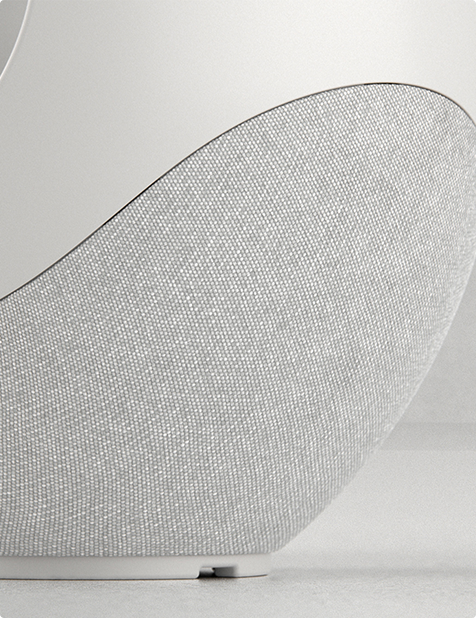
Pantheone I - White
- Regular price
- $3,358
- Regular price
-
$3,95015% OFF - Sale price
- $3,358
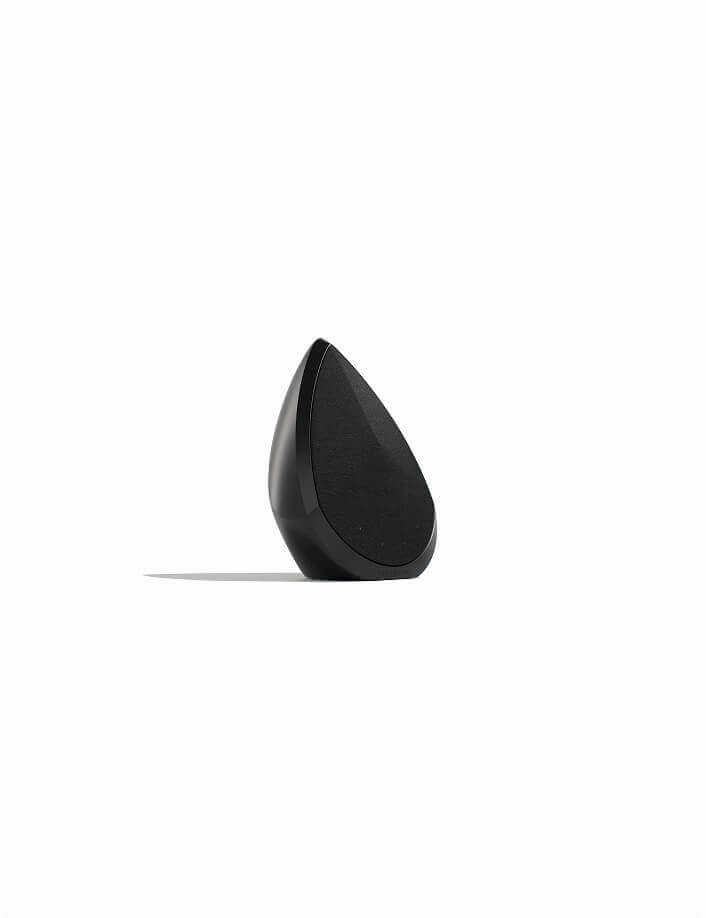
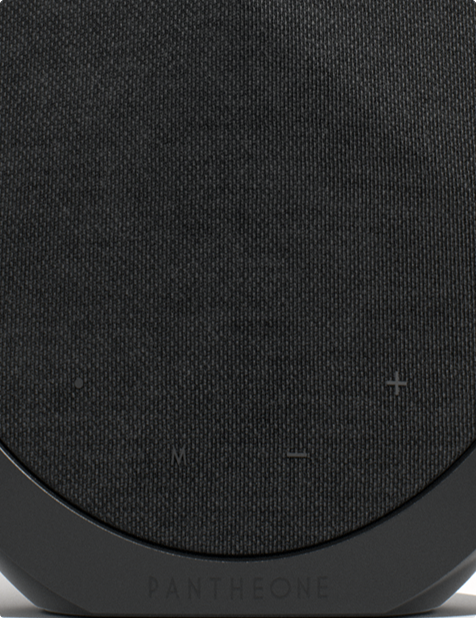
Obsidian - Black
- Regular price
- $1,560
- Regular price
-
$1,95020% OFF - Sale price
- $1,560
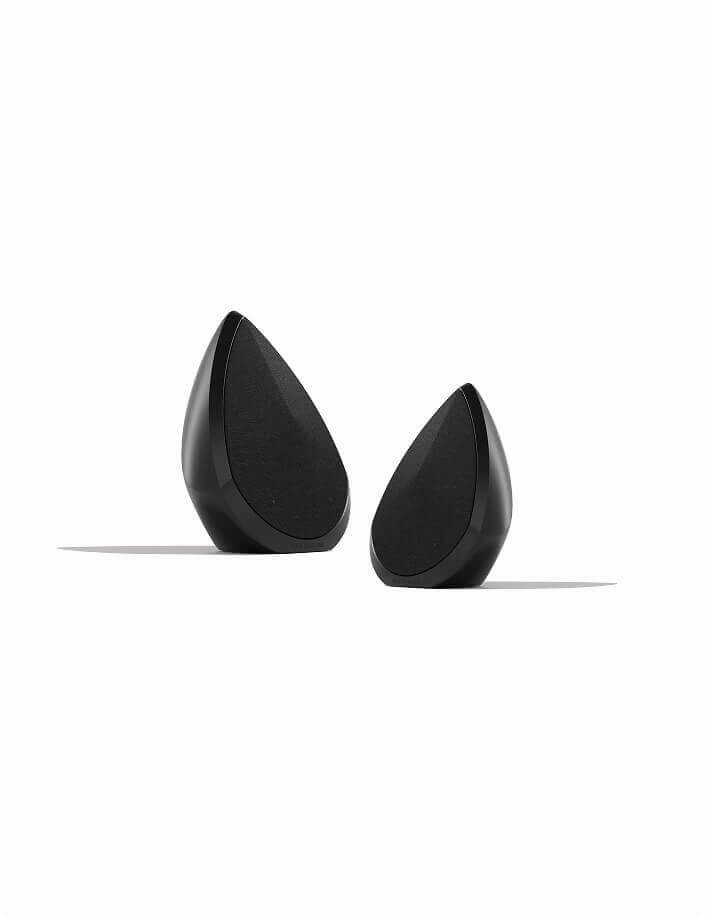
Stereo Set - Black
- Regular price
- $2,879
- Regular price
-
$3,59920% OFF - Sale price
- $2,879
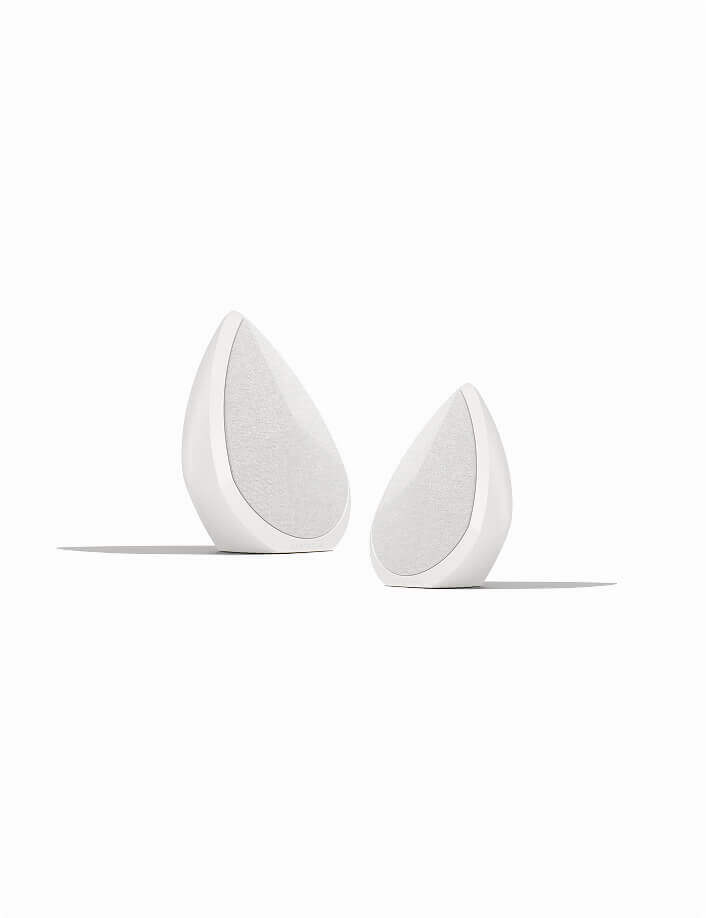
Stereo Set - White
- Regular price
- $2,879
- Regular price
-
$3,59920% OFF - Sale price
- $2,879

Obsidian Sage Set - Limited Edition
- Regular price
- $2,928
- Regular price
-
$3,66020% OFF - Sale price
- $2,928
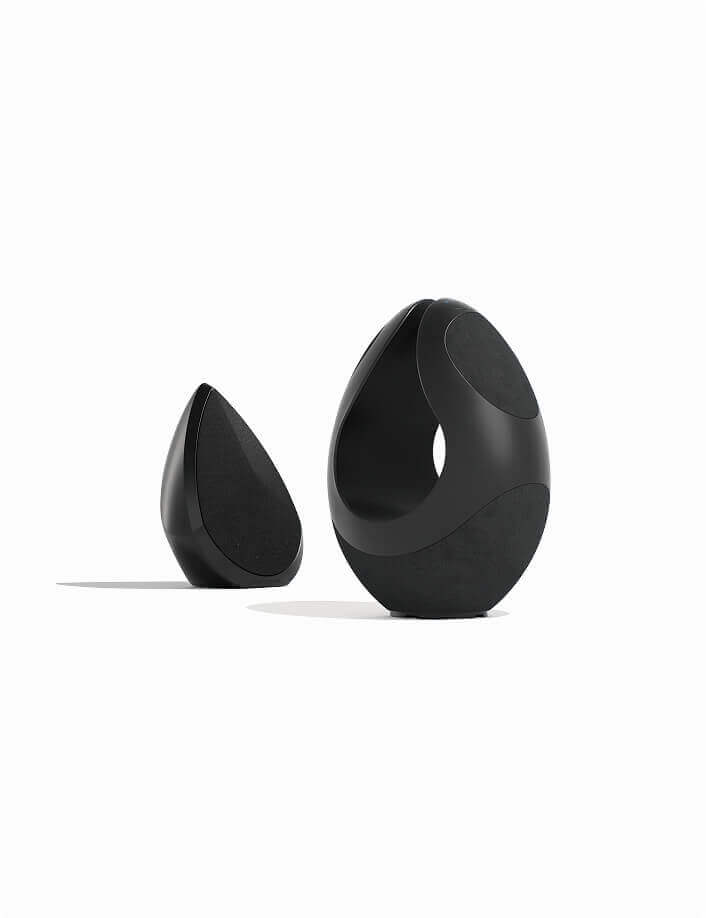
Set Deal - Black
- Regular price
- $4,248
- Regular price
-
$5,31020% OFF - Sale price
- $4,248
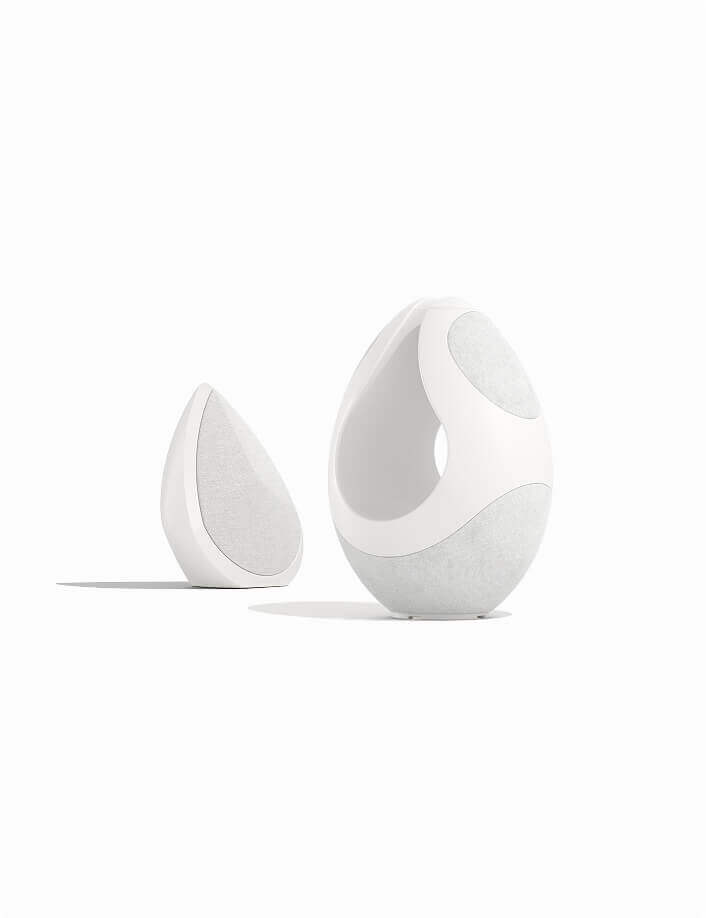
Set Deal - White
- Regular price
- $4,248
- Regular price
-
$5,31020% OFF - Sale price
- $4,248
Considered design.
Immersive sound.
Discover handcrafted wireless speakers for your next interior.