Why Enclosure Material Matters.
The material of a speaker enclosure influences both its sound and its shape. Mass and rigidity help control unwanted cabinet vibration, while the casting process makes sculptural forms possible.
Pantheone I and Obsidian use hand-cast enclosures made from a high-density mineral composite. The material allows us to create Pantheone I’s flowing curves and Obsidian’s faceted form, then refine and finish each enclosure by hand. Its substantial, rigid structure helps control vibration and supports clear, detailed sound.


Handcrafted, Not Manufactured
Each Pantheone enclosure is hand-cast rather than mass-produced through conventional injection moulding.
Liquid resin is carefully prepared in small batches and poured into precision moulds. Once cured, the enclosure undergoes a multi-stage finishing process including sanding, surface treatment, and detailed inspection.
This handcrafted approach creates a depth and surface quality that is difficult to replicate with automated manufacturing processes.
Because of this process, subtle variations can occur between individual units. These differences are a natural result of the handcrafted production method and give every Pantheone speaker its own character.
In the workshop: a maker handles the mould used to form the resin enclosure.


Refining the Cast
After casting, the enclosure’s edges and surfaces are refined by hand. Here, a maker uses a handheld tool to smooth part of the resin form before further finishing. These workshop steps help turn a casting into the sculptural enclosure seen in the finished speaker.


Finished by Hand
Finishing continues around the openings that will house the speaker’s drivers. A maker refines these areas by hand before assembly, paying attention to the shape and surface of the enclosure. Each step brings the cast form closer to the finished Pantheone speaker.
The Craftsmanship Behind Pantheone Speakers
Every Pantheone speaker begins with a sculptural idea. Hand-cast enclosures, carefully selected materials and skilled finishing processes transform that idea into an object designed for both sound and space.
What are Pantheone speakers made from?
Pantheone I and Obsidian use hand-cast, high-density mineral composite enclosures. These materials allow distinctive sculptural forms while providing the rigidity required to help manage unwanted cabinet vibration.
Why are Pantheone speakers hand-cast?
Hand-casting allows Pantheone to create complex curves and distinctive geometries that would be difficult to achieve through conventional injection moulding. Each enclosure then undergoes surface refinement and finishing by hand.
How does the enclosure affect sound quality?
A speaker enclosure influences resonance and vibration. Pantheone's substantial, rigid enclosures are designed to help control unwanted cabinet movement while supporting the acoustic performance of the speaker.
Are Pantheone speakers individually finished?
Yes. Each enclosure undergoes manual finishing and inspection. Subtle variations in surface character may reflect the handcrafted production process, contributing to the individuality of each speaker. Explore how Pantheone speakers are handcrafted.

The Pantheone I and Obsidian
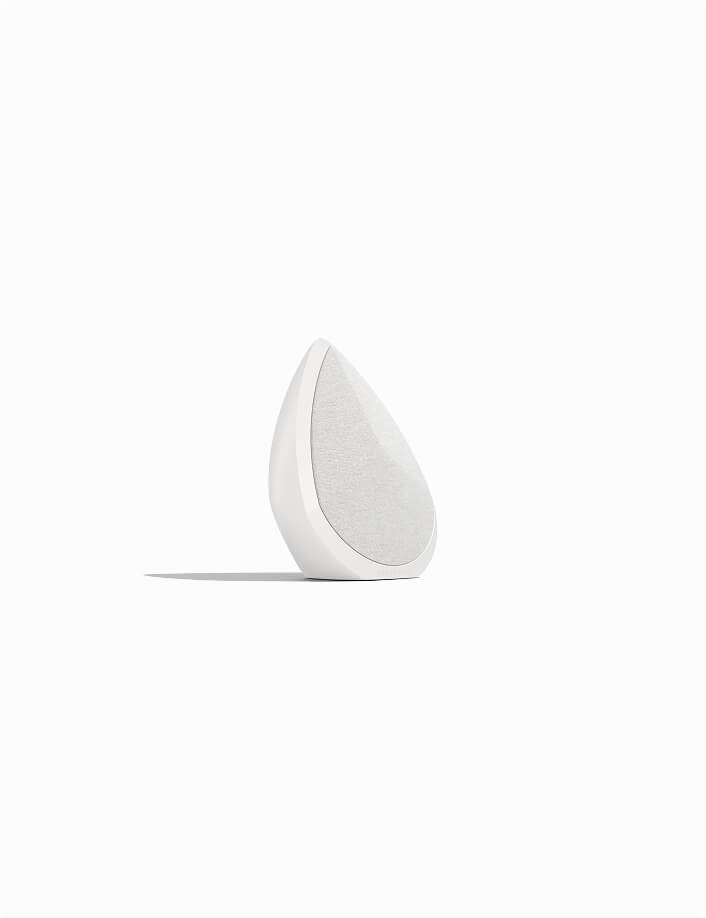
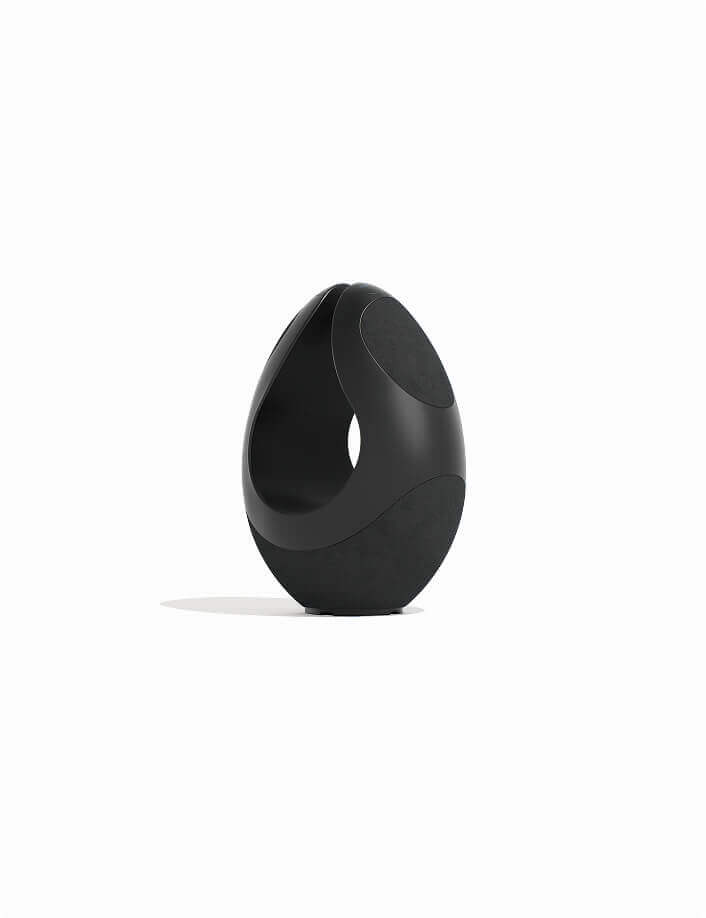
Both the Pantheone I and the Obsidian are hand-cast from architectural resin in small batches. The Pantheone I’s dome enclosure draws on the geometry of the ancient Pantheon, a near-perfect hemisphere designed to support room-filling, 360° sound dispersion. The Obsidian’s faceted form is inspired by volcanic glass, with angular surfaces shaped to help control enclosure resonance while maximising visual impact. In both cases, form and function are inseparable.
Built to last. Designed to be seen.
Every Pantheone speaker is hand-cast from architectural resin, a material chosen for its extremely low resonance, sculptural precision, and long-term durability. No two pieces are exactly alike. Explore the collection and discover an object designed to belong in your space, even before the music begins.


Obsidian - White
- Regular price
- $1,950
- Regular price
-
- Sale price
- $1,950
Pantheone I - Black
- Regular price
- $3,950
- Regular price
-
- Sale price
- $3,950


Obsidian Sage - Limited Edition
- Regular price
- $1,999
- Regular price
-
- Sale price
- $1,999
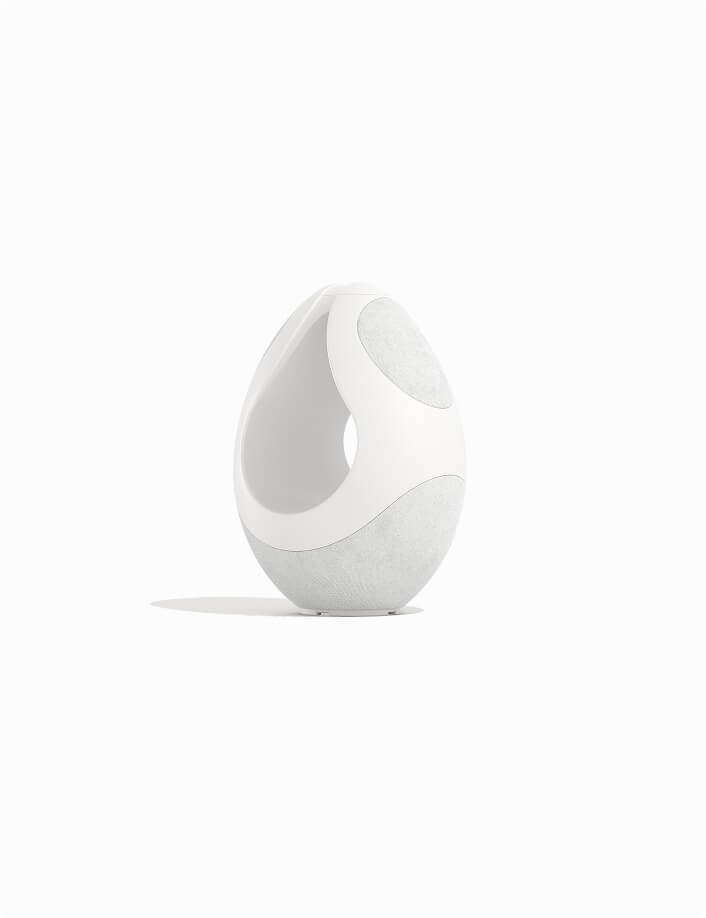
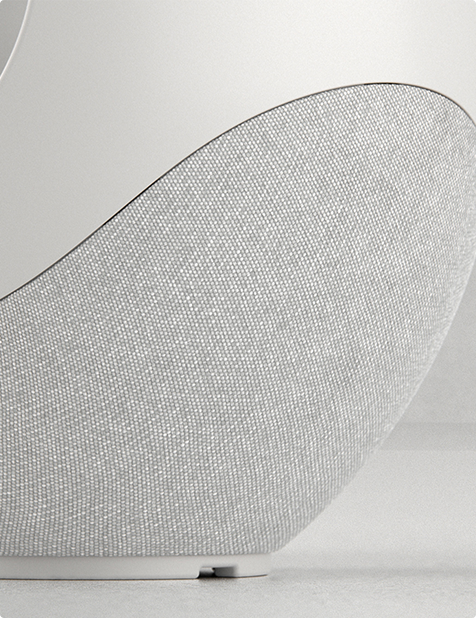
Pantheone I - White
- Regular price
- $3,950
- Regular price
-
- Sale price
- $3,950
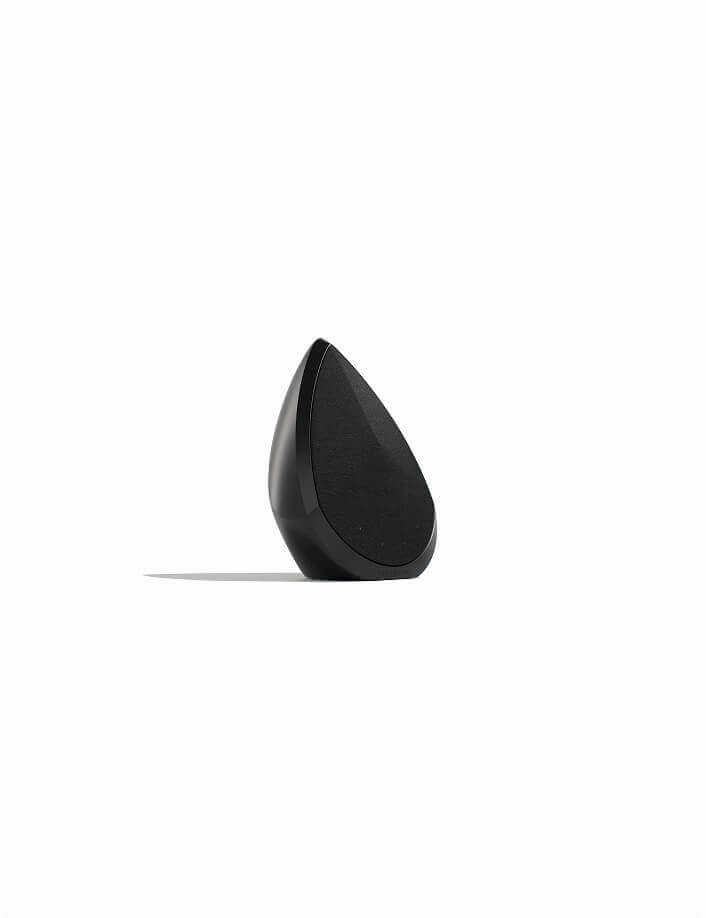
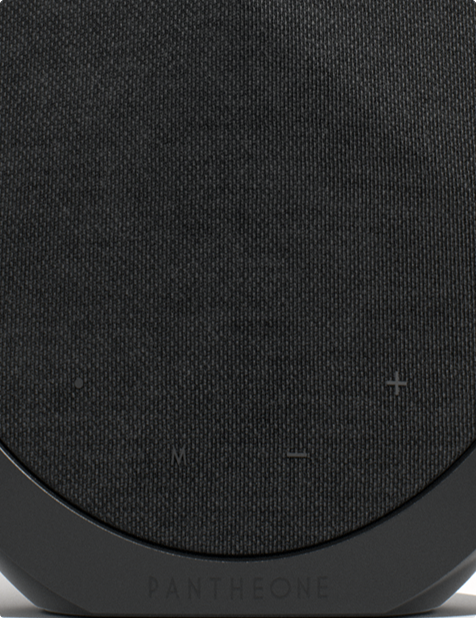
Obsidian - Black
- Regular price
- $1,950
- Regular price
-
- Sale price
- $1,950
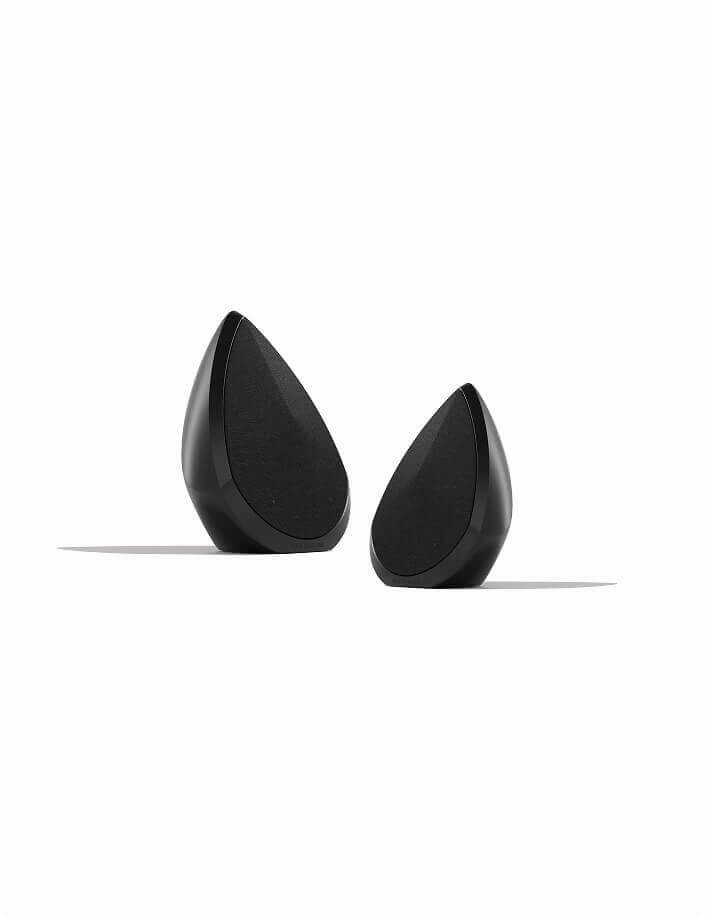
Stereo Set - Black
- Regular price
- $3,599
- Regular price
-
- Sale price
- $3,599
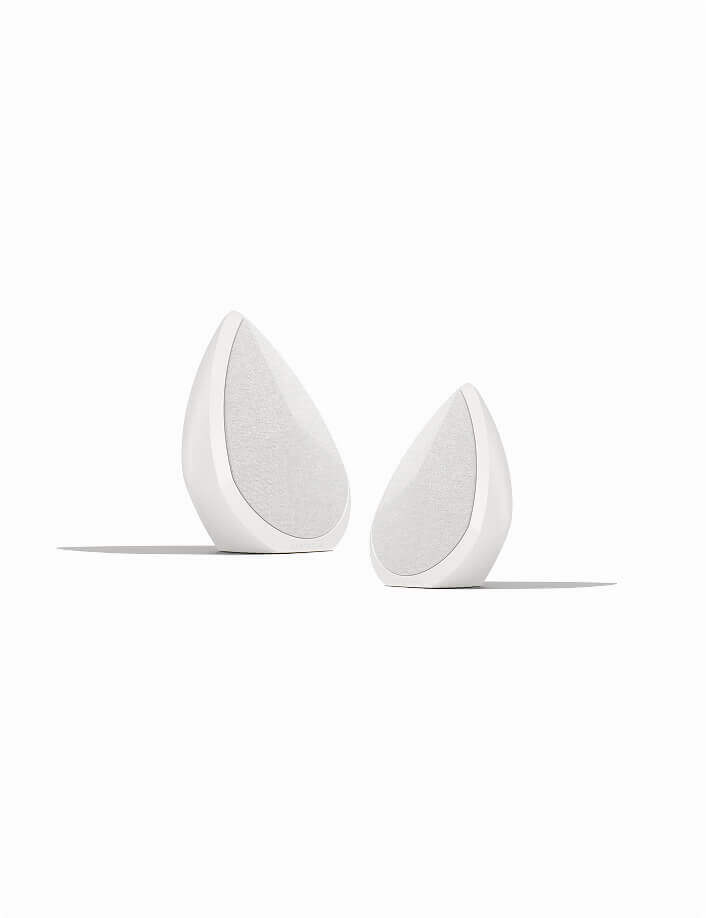
Stereo Set - White
- Regular price
- $3,599
- Regular price
-
- Sale price
- $3,599

Obsidian Sage Set - Limited Edition
- Regular price
- $3,660
- Regular price
-
- Sale price
- $3,660
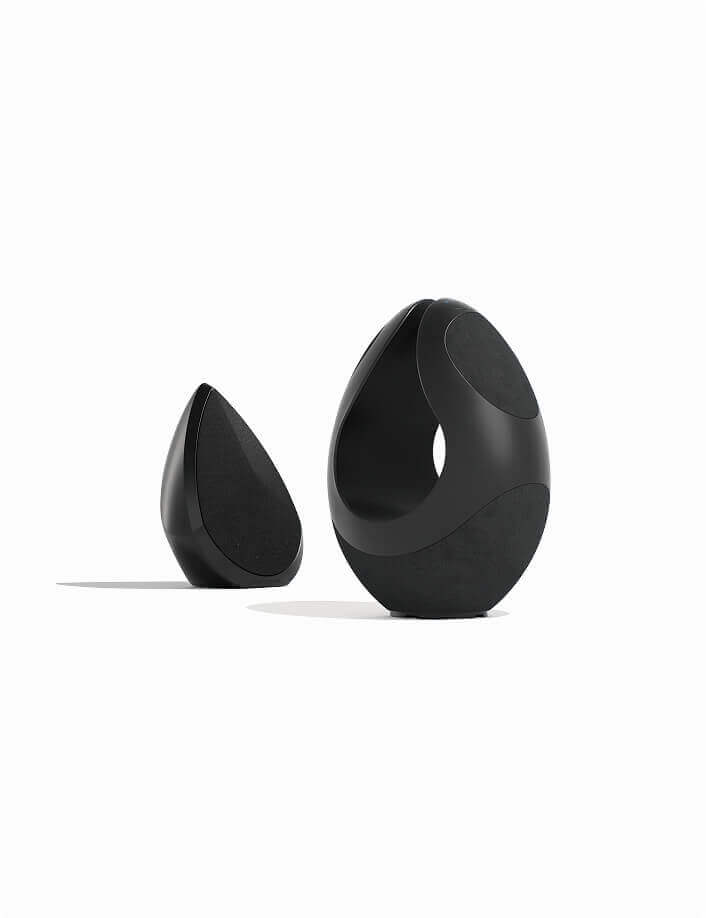
Set Deal - Black
- Regular price
- $5,310
- Regular price
-
- Sale price
- $5,310
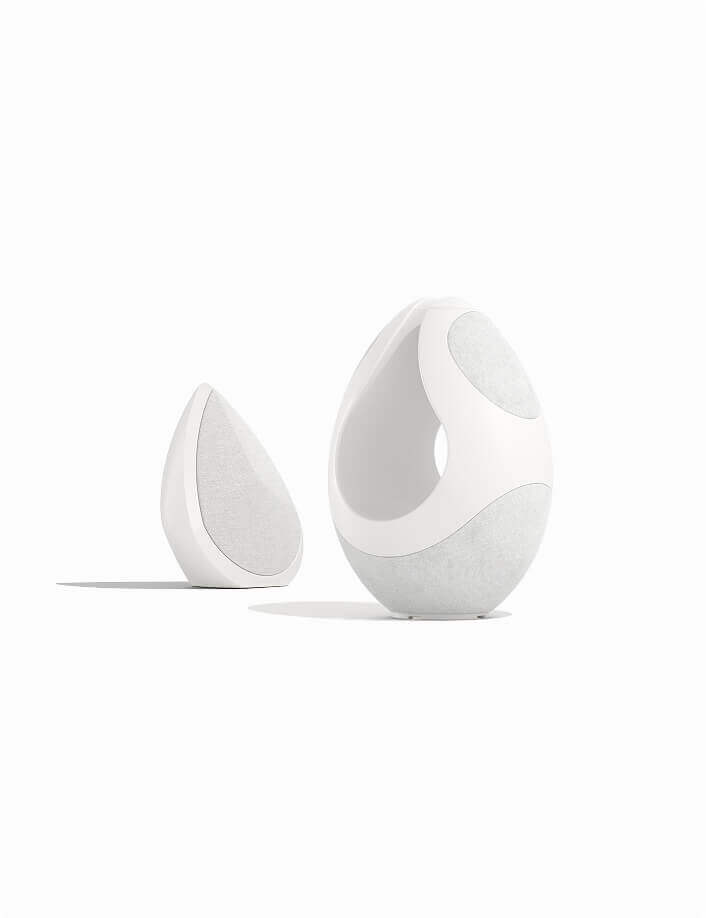
Set Deal - White
- Regular price
- $5,310
- Regular price
-
- Sale price
- $5,310