Who Are Active Wireless Speakers Best Suited To?
Active wireless speakers suit buyers who want audiophile-grade performance without the complexity of a component system. They are ideal for open-plan homes where cables are impractical, for design-led interiors where the speaker needs to look as considered as everything else in the room, and for buyers who want to stream music from any service without additional hardware.
They are also better suited to modern listening habits. Most people stream music from Spotify, Tidal, or Apple Music rather than playing physical media. An active wireless speaker is built around this reality, with native streaming protocols that deliver high-resolution audio directly and effortlessly.

Why Active Wireless Speakers Are Becoming the Standard
The shift from passive to active is not a trend but a structural change in how people live with music. A decade ago, streaming was a convenience; today it is the primary way most people listen. Spotify, Tidal, Apple Music, and Amazon Music serve hundreds of millions who never use CDs or records. Active wireless speakers are built for this reality, while passive systems require extra hardware to deliver the same experience. Homes have changed as well. Open-plan interiors and fewer dedicated equipment rooms mean audio systems must fit naturally into living spaces.
The design world has responded. Many luxury audio brands now focus on active wireless formats because the technology rivals or surpasses passive systems at similar prices. Convenience, simplicity, and clean design are now advantages rather than compromises. For buyers who value both sound and aesthetics, active wireless is no longer an alternative to serious audio, it is serious audio.

What Is a Passive Speaker?
A passive speaker has no built-in amplifier. It contains only the drivers, the woofers, tweeters, and midrange cones that physically produce sound and relies on an external amplifier to provide the power needed to drive them.
To use a passive speaker you need at minimum two separate components: the speaker itself and a power amplifier or AV receiver, connected by speaker cables. In a stereo setup you typically have two speakers and a stereo amplifier. In a home theatre setup you might have five or seven speakers plus a surround sound receiver.
Passive speakers have a long history in high-end audio. They allow experienced listeners to build a system by choosing each component individually and fine-tuning the combination over time. The trade-off is complexity. Passive systems require more space, more cabling, more setup time, and a greater level of technical knowledge to configure well. They also tend to look more like audio equipment and less like objects that belong in a refined interior.

What Is an Active Speaker?
An active speaker has the amplifier built directly inside the enclosure. The amplifier, the digital-to-analogue converter, and in modern wireless models the streaming hardware are all integrated into a single object. The speaker needs only a power cable and a connection to your home network or a device.
Active speakers are not a compromise version of passive. At the high end, active designs can match or exceed passive systems at equivalent price points, because the amplifier can be precisely engineered to match the specific drivers it is paired with. There is no mismatch between components, no cable loss, and no room for error in the system chain.
Modern active wireless speakers support WiFi streaming via AirPlay 2, Spotify Connect, Tidal Connect, and similar protocols, delivering audio directly from the internet to the speaker at up to 24-bit/192kHz well beyond CD quality. Setup is typically a matter of minutes rather than hours.

Who Are Passive Speakers Best Suited To?
Passive speakers are the right choice for buyers who want full control over every component in their system and enjoy the process of building and refining it. A dedicated listening room where equipment racks and speaker cables are not a visual concern, a strong existing amplifier that a buyer wants to use, or a deliberate preference for separating source, amplification, and transducer these are all good reasons to choose passive.
If the listening space is purpose-built for audio, or if the listener genuinely enjoys component selection as part of the hobby, passive systems offer a depth of customisation that active speakers do not replicate.
Side by Side
| Active Speaker | Passive Speaker | |
|---|---|---|
| Amplifier | Built in | Separate component required |
| Setup | Power cable + WiFi | Amplifier, cables, receiver |
| Cables visible | None | Speaker cables required |
| Wireless streaming | Native (AirPlay 2, Spotify Connect) | Requires additional streamer |
| Sound quality | Audiophile-grade at high end | Audiophile-grade at high end |
| Design in the room | Single resolved object | System of components |
Everything you need to know
Do active speakers need an amplifier?
No. The amplifier is built inside the speaker enclosure. Active speakers need only a power cable to operate. There is no need for a separate amplifier, AV receiver, or speaker cables.
Are active speakers as good as passive speakers?
Yes, and at the high end often better. Because the amplifier is engineered specifically for the drivers it is paired with, active speakers can achieve a precision of matching that is difficult to replicate in a passive system. High-quality active speakers deliver audiophile-grade performance without the complexity of a component system.
Are wireless speakers the same as active speakers?
Most modern wireless speakers are active speakers, but the terms mean slightly different things. Active refers to the built-in amplification. Wireless refers to how the audio signal is delivered via WiFi or Bluetooth rather than a cable. Most quality wireless speakers combine both.
Can I use an active speaker with a turntable or CD player?
Some active speakers include analogue inputs that accept a signal from a turntable or CD player. The Pantheone I includes an auxiliary input for wired connections alongside its WiFi and Bluetooth streaming capability.
Which is better for a large open-plan room?
An active wireless speaker with omnidirectional sound dispersion is generally better suited to open-plan spaces. It requires no cable runs across the room, no equipment positioned near the listening area, and delivers sound that fills the space evenly. The Pantheone I's 360° omnidirectional design was created specifically for this context.
Are Pantheone speakers active or passive?
Pantheone speakers are fully active wireless speakers. The amplifier, digital-to-analogue converter, and streaming hardware are all built inside the handcrafted resin enclosure. No external amplifier or speaker cables are required.
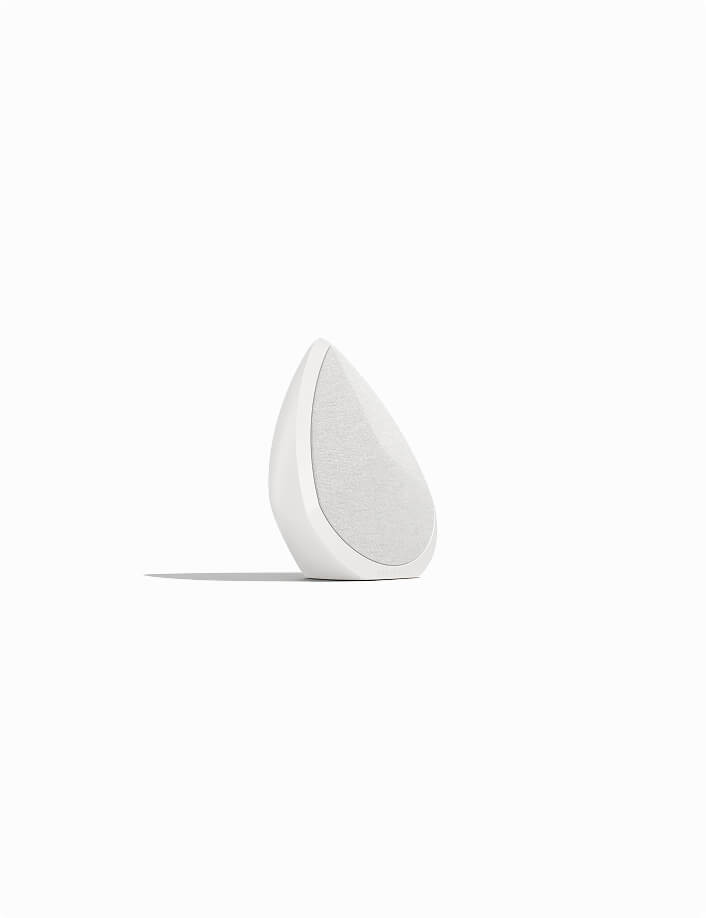



Obsidian - White
- Regular price
- $1,950
- Regular price
-
- Sale price
- $1,950
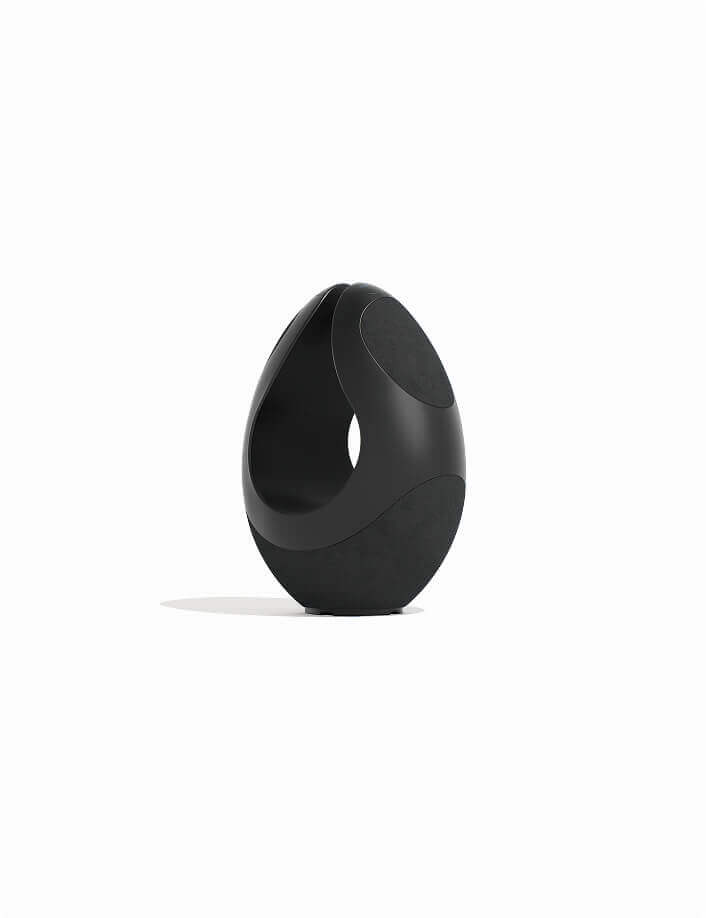
Pantheone I - Black
- Regular price
- $3,950
- Regular price
-
- Sale price
- $3,950


Obsidian Sage - Limited Edition
- Regular price
- $1,999
- Regular price
-
- Sale price
- $1,999

Pantheone I - White
- Regular price
- $3,950
- Regular price
-
- Sale price
- $3,950
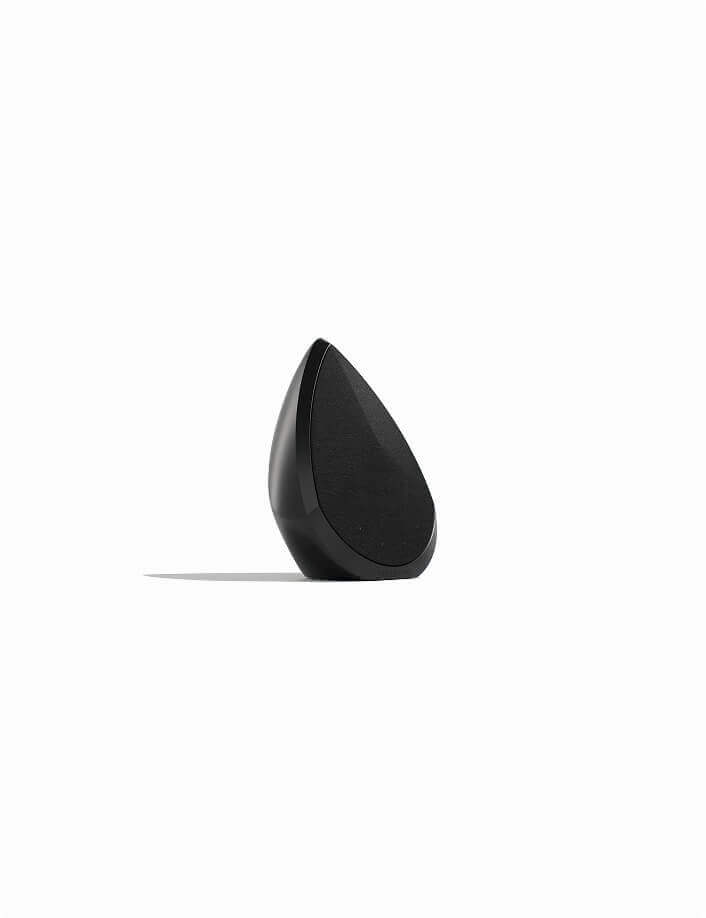
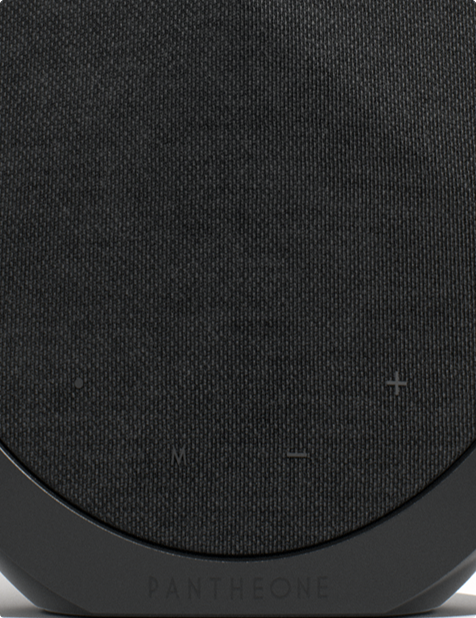
Obsidian - Black
- Regular price
- $1,950
- Regular price
-
- Sale price
- $1,950
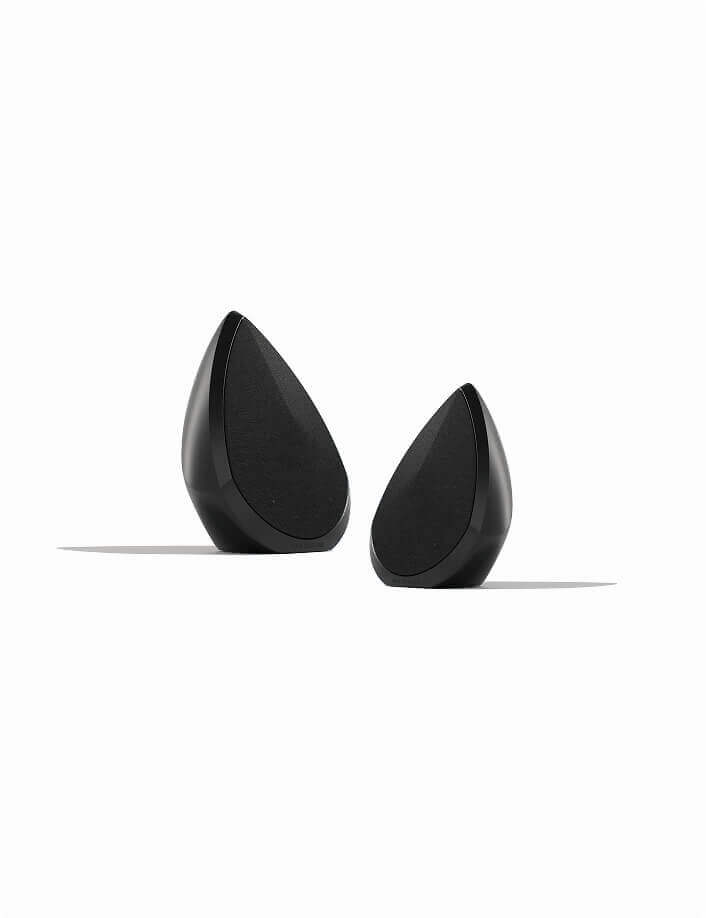
Stereo Set - Black
- Regular price
- $3,599
- Regular price
-
- Sale price
- $3,599
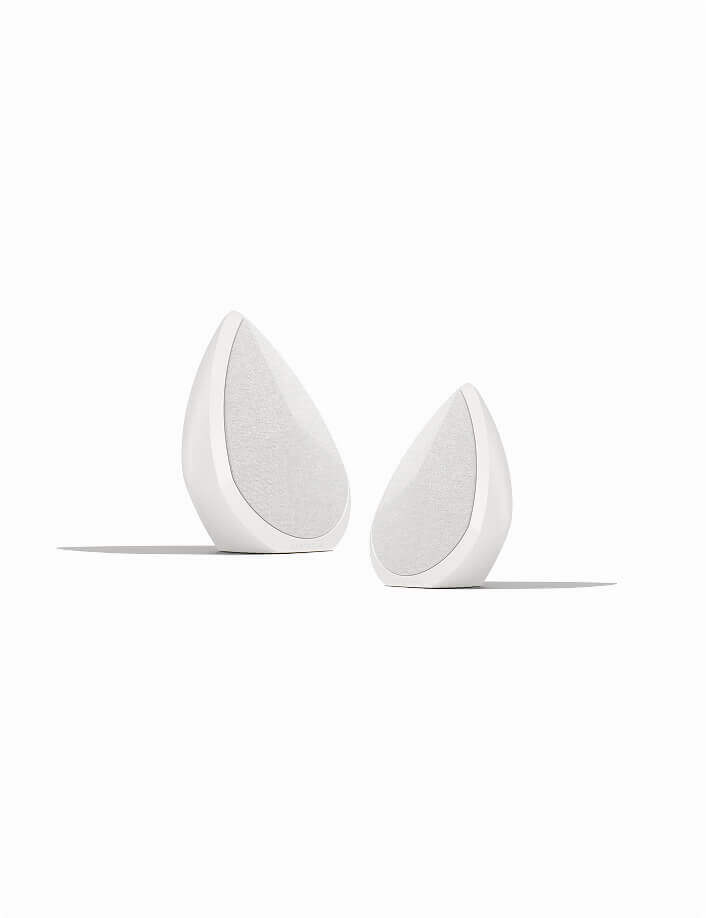
Stereo Set - White
- Regular price
- $3,599
- Regular price
-
- Sale price
- $3,599

Obsidian Sage Set - Limited Edition
- Regular price
- $3,660
- Regular price
-
- Sale price
- $3,660
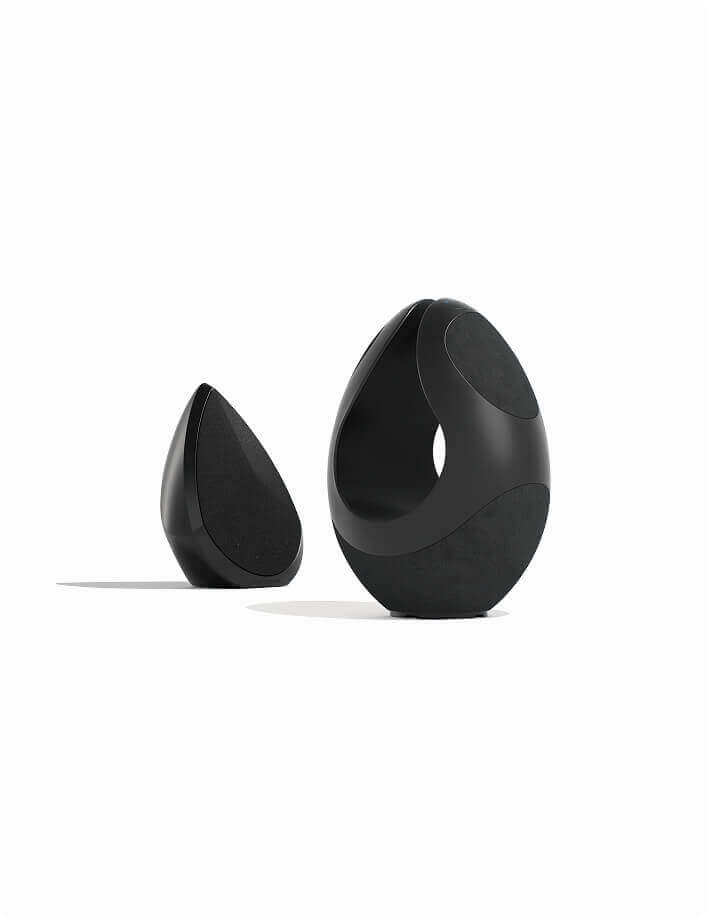
Set Deal - Black
- Regular price
- $5,310
- Regular price
-
- Sale price
- $5,310
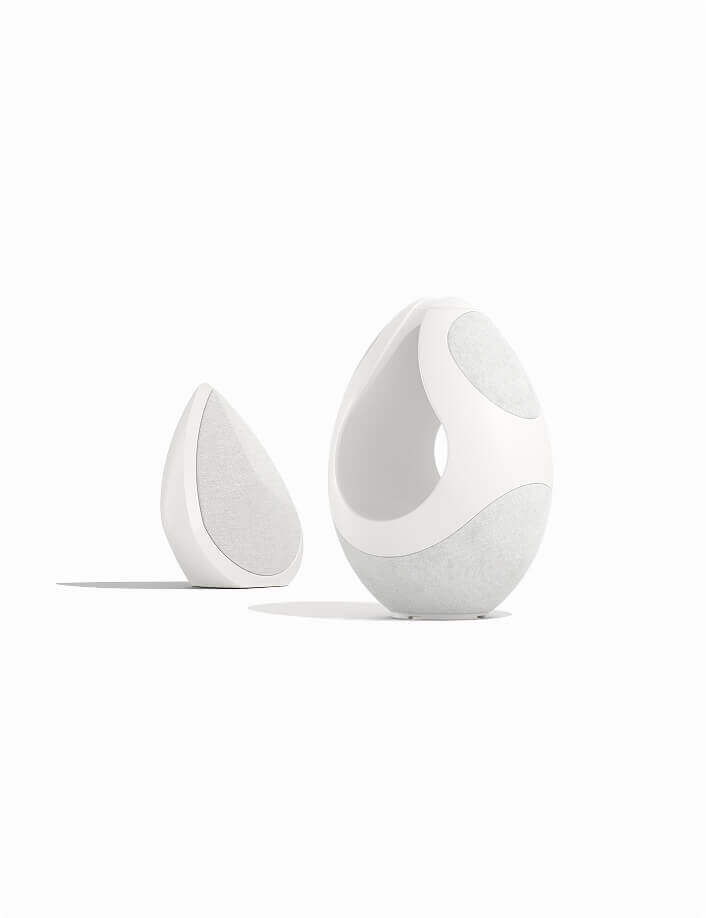
Set Deal - White
- Regular price
- $5,310
- Regular price
-
- Sale price
- $5,310